How to Choose the Best eSIM for Japan 2026 with Real Travel Tips
8/31/2026
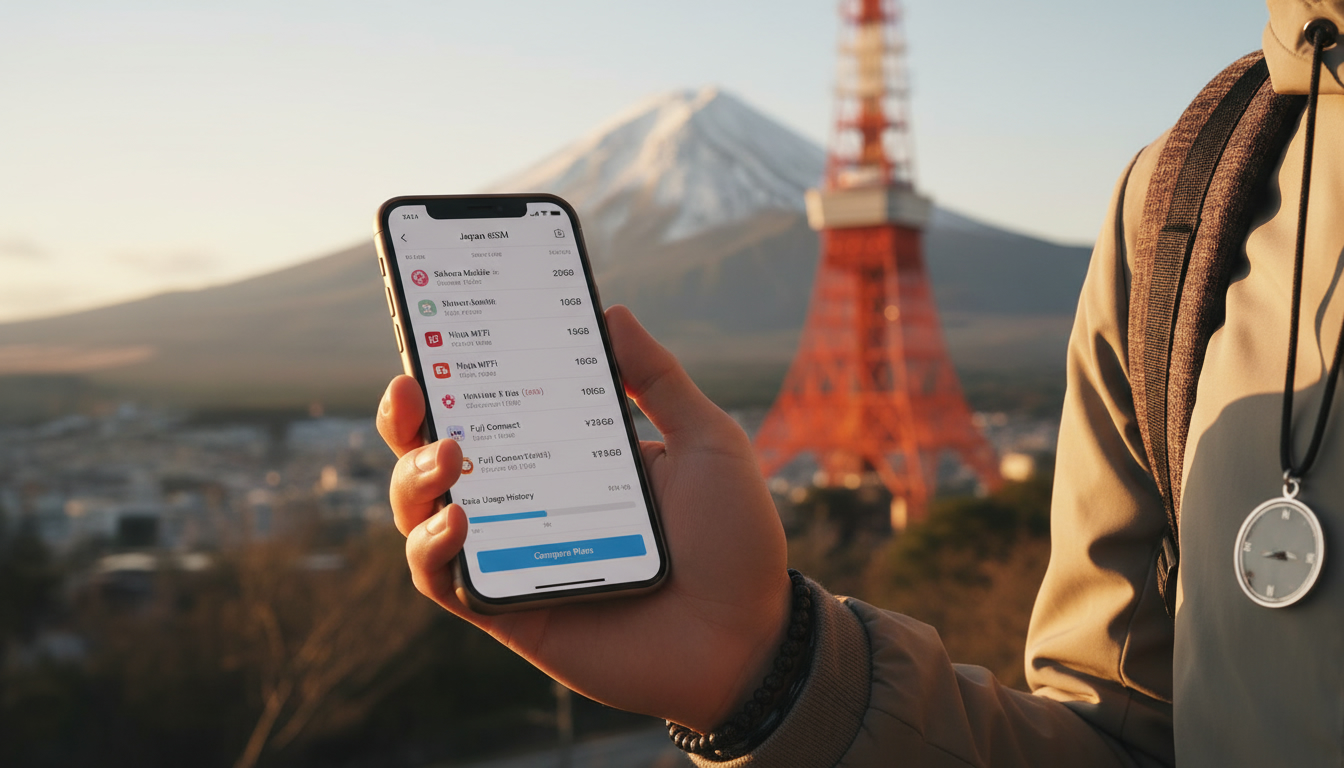
In short, what you'll discover in this article:
Discover a practical, step-by-step guide to choosing and using the best eSIM for Japan in 2026. Learn from real traveler scenarios, avoid common pitfalls, and find the most reliable, affordable, and easy-to-activate eSIM options tailored for your trip.
1. Quick Summary — Best eSIM for Japan in 2026 in One Sentence
For 2026 travelers, the best eSIM for Japan combines reliable nationwide coverage, fast data speeds, and hassle-free activation — with providers like Airalo and Sim Local leading the pack.
2. Why Choose an eSIM in Japan in 2026
2.1 Advantages vs Physical SIM Cards and Pocket Wi-Fi
Using an eSIM in Japan offers several practical benefits over traditional physical SIM cards or renting pocket Wi-Fi devices:
- Instant activation without waiting for physical delivery or store visits
- No need to swap SIM cards or risk losing them during travel
- Multiple profiles on one device allow seamless switching between home and Japan plans
- Lightweight and compact—no extra gadgets to carry around
- Often better value with flexible prepaid plans tailored for tourists
Compared to pocket Wi-Fi, an eSIM avoids carrying an additional device and battery management hassles. Plus, it lets you use your phone’s native cellular connection for better speed and reliability.
2.2 Limitations and Points to Watch (Compatibility, Roaming)
Despite its perks, there are some important considerations:
- Device compatibility: Not all smartphones support eSIMs or all Japanese network bands. Check your phone’s model carefully.
- Roaming restrictions: Some eSIMs may not support roaming from your home country or have limited coverage in rural Japan.
- Activation requirements: Some providers require internet access to activate the eSIM initially, which can be tricky if you arrive without Wi-Fi.
- Data speed variations: Remote areas may experience slower speeds even with unlimited data plans.
Being aware of these limits helps avoid surprises during your trip.
3. How eSIM Works in Japan (Activation and Restrictions)
3.1 Step-by-Step Online Activation (with Suggested Screenshots)
Activating your eSIM online before or upon arrival is usually straightforward:
- Purchase your chosen eSIM plan from a reputable provider’s website or app.
- You’ll receive a QR code via email or app notification.
- On your smartphone, go to Settings > Cellular > Add Cellular Plan.
- Scan the QR code to download the eSIM profile onto your device.
- Follow on-screen prompts to name the plan and set it as primary or secondary line if needed.
- Enable cellular data on the new profile and test connectivity immediately.
Many providers offer detailed activation guides with screenshots; following those ensures smooth setup.
3.2 Offline Activation / Solutions for Travelers Without Internet Access
If you arrive without internet access to scan a QR code:
- Some providers allow downloading the QR code before departure to print or save offline.
- Others offer manual activation codes you can enter directly into device settings.
- Alternatively, airport kiosks or partner stores sometimes provide free Wi-Fi hotspots for initial setup.
Planning ahead by securing your activation materials before landing is key to avoiding connectivity gaps.
3.3 Checking Device Compatibility (Model vs Bands Table)
Not all phones support every Japanese carrier band or eSIM functionality:
| Phone Model | eSIM Support | Compatible Japanese Bands (4G/5G) | Notes |
|---|---|---|---|
| iPhone 14+ | Yes | B1, B3, B8, B18, B19 | Full support |
| Samsung Galaxy S23 | Yes | B1, B3, B8 | Check carrier specifics |
| Google Pixel 7 | Yes | B1, B3 | Limited rural coverage |
| Older models | Varies | Limited | May require physical SIM |
Always verify your exact model’s specs against Japanese network bands before purchasing an eSIM.
4. Criteria for Choosing the Best eSIM (What We Evaluated)
4.1 Coverage and Network Performance
Reliable nationwide coverage is essential for navigating cities and countryside alike. We looked at providers using major Japanese carriers like NTT Docomo and SoftBank for consistent service.
4.2 Pricing and Package Structures (Data, Validity, Renewal)
We compared data allowances, plan validity periods (from one day to a month), prices per GB, and options for easy top-ups or renewals during travel.
4.3 Ease of Activation and Management (App/Interface)
User-friendly apps or web portals that simplify activation, profile switching, and usage monitoring scored higher.
4.4 Customer Support & Language Availability
Providers offering multilingual support including English help reduce stress if issues arise abroad.
4.5 Refund Policies, Multi-Activation & Data Sharing Options
Flexible refund policies and features like sharing data across devices or activating multiple profiles were considered valuable perks.
5. Top eSIMs for Japan in 2026 — Reviews and Verdicts
5.1 Provider A: Airalo — Summary, Pros & Cons, Best For...
Airalo is popular among first-time visitors due to its easy app-based activation and competitive pricing on prepaid plans covering major cities across Japan. It offers flexible data packages from daily to monthly use but may have slower speeds in remote regions.
Best for: Short-term tourists seeking convenience and affordability.
5.2 Provider B: Sim Local — Summary, Pros & Cons, Best For...
Sim Local stands out with unlimited data options ideal for heavy users who want uninterrupted streaming or remote work capability throughout their stay in Japan.
Best for: Travelers needing unlimited data with reliable coverage nationwide.
5.3 Provider C: Holafly — Summary, Pros & Cons, Best For...
Holafly provides straightforward unlimited plans with simple activation but at a slightly higher price point; excellent customer service supports travelers unfamiliar with eSIM tech.
Best for: Visitors prioritizing customer support and ease of use over cost.
6. Comparative Overview — Prices, Data Allowances, Validity Periods, Support & Coverage
For detailed price comparisons and plan options from these providers including Airalo and Sim Local, consult the MyBestSim comparison tool. This resource helps you find the best deal tailored to your travel needs without guesswork.
7. Field Tests (If Available) — Speed and Reliability by Region
Real-world tests show urban centers like Tokyo enjoy fast LTE/5G speeds on most major providers’ eSIMs while rural areas may see slower connections depending on carrier infrastructure.
8. Practical Tips for Using an eSIM in Japan
8.1 Using eSIM with Suica/Pasmo and Mobile Payment Services
Linking your phone’s mobile payment apps like Suica or Pasmo with an active Japanese eSIM enhances convenience when using public transport or making purchases seamlessly.
8.2 Switching Between eSIMs and Managing Multiple Profiles
Many travelers carry both home country and Japanese eSIM profiles; learn how to toggle between them easily without losing connectivity during transit or sightseeing.
8.3 Troubleshooting Common Issues (APN Settings, Activation Failures)
If your data doesn’t connect after activation:
- Double-check APN settings provided by your carrier app or website
- Restart your device after installing the profile
- Contact customer support promptly if problems persist
9. Which eSIM Should You Choose Based on Your Traveler Profile?
9.1 Best for Short Stays / Tourism
Choose affordable prepaid plans with easy activation like Airalo’s daily packages that cover typical tourist hotspots efficiently.
9.2 Best for Long Stays / Expatriation
Look for flexible plans supporting longer validity periods plus reliable customer service such as those offered by Sim Local or Holafly.
9.3 Best for Heavy Usage (Streaming, Work)
Unlimited data plans from Sim Local provide peace of mind when you need constant high-speed internet without worrying about caps.
10. Conclusion and Final Verdict — Our Recommendation for 2026
For travelers planning a trip to Japan in 2026 seeking a balance of affordability, coverage, speed, and ease of use, we recommend starting with Airalo’s flexible prepaid options if you’re a short-term visitor or Sim Local’s unlimited plans if you need heavy data usage or long-term reliability. Preparing your eSIM ahead of time ensures seamless connectivity from arrival onward—making your trip smoother and more enjoyable.
Explore detailed comparisons on singaporesim.com to find the perfect plan tailored exactly to your travel style today!
FAQ
How do I activate an eSIM for Japan before arrival?
You can activate your eSIM by purchasing a plan online, receiving a QR code via email, and scanning it in your phone’s cellular settings. Many providers offer detailed guides to ensure smooth setup before or upon arrival.
Which phones are compatible with Japanese eSIM networks?
Most recent models like iPhone 14+, Samsung Galaxy S23, and Google Pixel 7 support eSIMs and key Japanese bands. Always check your phone’s model and band compatibility to ensure reliable service in Japan.
What are the main benefits of using an eSIM over physical SIM cards?
eSIMs offer instant activation without store visits, no risk of losing SIM cards, multiple profiles on one device, and better value with flexible prepaid plans. They also avoid carrying extra devices like pocket Wi-Fi.
Can I use mobile payment apps with a Japanese eSIM?
Yes, linking your active Japanese eSIM with mobile payment apps like Suica or Pasmo enhances convenience for public transport and purchases, making your travel experience smoother.
What should I do if my eSIM data doesn’t connect after activation?
Check your APN settings as provided by your carrier, restart your device, and if issues persist, contact customer support promptly for assistance to resolve connectivity problems.

Liam Chen
Liam is a travel and technology writer based in Southeast Asia who has tested eSIMs across the region. At Singapore eSIM he compares travel data plans on Singtel, StarHub and M1 and helps visitors stay online affordably from Changi to Sentosa.