eSIM Afrique Du Sud Costs and Fees to Watch for in 2026
11/7/2026
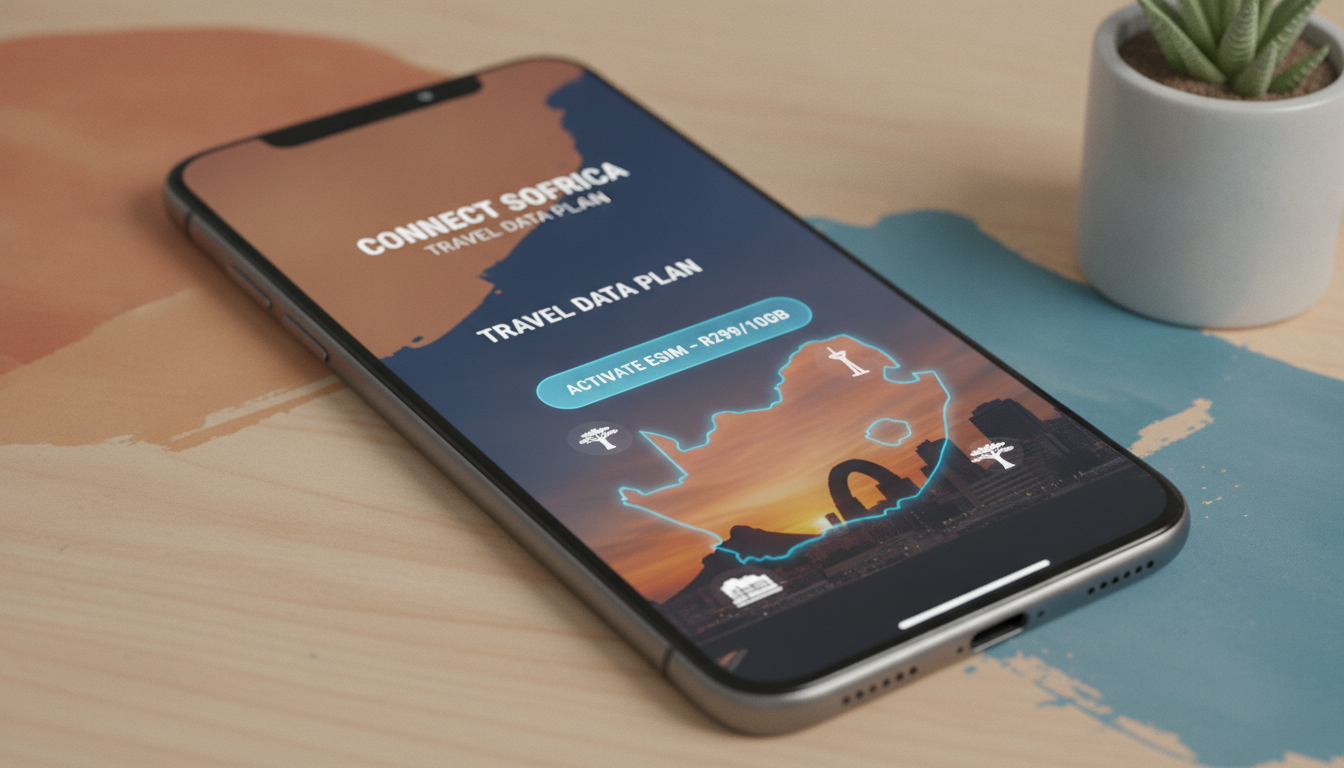
Understanding the Costs and Fees of Using an eSIM in South Africa
When planning a trip to South Africa, one of the biggest concerns is staying connected without incurring hefty roaming charges. Using an eSIM for South Africa offers a convenient way to access local mobile data without swapping physical SIM cards or dealing with complicated setups.
However, understanding the costs and fees associated with eSIM data plans is crucial to avoid unexpected expenses and manage your travel budget effectively.
South Africa’s eSIM market includes several providers offering various data packages tailored for tourists. Prices vary depending on data volume, validity period, and provider policies.
I always start by comparing these factors carefully because what looks cheap upfront can sometimes hide activation fees or limited coverage that forces you to top up unexpectedly.
What You Should Expect to Pay for an eSIM in South Africa
Unlike traditional roaming plans, eSIM data plans for South Africa typically come with transparent pricing based on prepaid data bundles. Here’s what you need to know about the cost structure:
- Data packages are sold in fixed sizes, such as 3 GB, 5 GB, or 10 GB.
- Validity periods range from 1 day to 30 days, depending on the plan.
- Prices start as low as around $1 USD for small daily packages and go up with larger data volumes or longer validity.
- Some providers charge a one-time activation fee, while others include it in the package price.
- Roaming fees are generally avoided if you use a local South African eSIM plan rather than your home carrier’s roaming service.
Because prices fluctuate and depend on your usage needs, I’d advise against locking into a large plan without checking your expected daily data consumption. Overestimating can waste money; underestimating can lead to costly top-ups.
Typical Price Ranges from Popular Providers
While I cannot list every price here, providers like Airalo, Holafly, Ubigi, and eSIM.dog offer competitive options. For example:
| Provider | Data Volume | Validity | Approximate Price (USD) |
|---|---|---|---|
| eSIM.dog | 3 GB | 1 day | $0.97 |
| MicroEsim | 3 GB | 3 days | $2.20 |
| Yatelo | 3 GB | 30 days | $2.52 |
| LinkeSIM | 5 GB | 7 days | $3.40 |
| Redtea | 10 GB | 1 day | $3.90 |
Prices come from MyBestSim’s verified comparison tool, which I recommend consulting before purchase to find the best deal for your travel dates and data needs.
Fees Beyond the Base Price: What Can Add Up?
Many travelers overlook additional fees that can impact their budget when using an eSIM in South Africa:
Activation and Setup Fees
Some providers charge a small activation fee when you first install the eSIM profile on your device. This fee is often included in the package price but can appear separately depending on the seller.
Data Top-Up Charges
If you exhaust your initial data bundle before your trip ends, topping up usually costs more per gigabyte than buying a larger package upfront. The mechanism here is simple: prepaid bundles incentivize buying larger amounts at once by offering lower per-GB rates.
Network Coverage Limitations
South Africa’s mobile network infrastructure varies by region. If you travel outside major cities like Johannesburg or Cape Town, some providers’ coverage may be patchy or rely on roaming agreements with local carriers that could trigger extra charges or slower speeds.
Device Compatibility Fees
While rare, some carriers may require specific device compatibility checks or software updates before activating an eSIM profile. This can cause delays or require additional support calls but usually does not incur direct fees.
How to Avoid Unexpected Costs When Using an eSIM in South Africa
Avoiding surprise charges comes down to understanding how eSIMs work in practice and what pitfalls travelers commonly face.
Choose Providers That Offer Transparent Pricing
Providers like Ubigi and Airalo are known for clear pricing structures without hidden fees. I always check their terms carefully because some smaller sellers might advertise low prices but add activation or top-up fees later.
Confirm Coverage Areas Before Buying
If your itinerary includes rural areas or national parks, verify that your chosen provider supports those locations with reliable LTE or 5G coverage. The GSMA’s official roaming agreements help ensure some baseline connectivity but don’t guarantee speed or cost-free access everywhere.
Activate Your eSIM After Arrival
Activating your eSIM once you land in South Africa prevents accidental roaming charges from your home carrier during transit. The activation process usually involves scanning a QR code provided by the seller; however, some phones require manual profile installation via settings menus.
I always start by checking my phone’s compatibility with South African carriers—most modern iPhones and Android devices support eSIMs compatible with local networks like Vodacom and MTN.
Monitor Your Data Usage Closely
South African carriers typically do not throttle speeds once you exceed your data cap; instead, they cut off access until you buy more credit. This mechanism means you won’t get surprise slowdowns but will face immediate loss of connectivity unless you top up promptly.
Using built-in phone tools or apps provided by your eSIM vendor helps track consumption accurately and avoid running out unexpectedly.
Practical Steps to Buy and Activate an eSIM for South Africa
Getting connected quickly is essential when traveling abroad. Here’s how to handle the process efficiently:
-
Research Providers and Plans
Use trusted comparison sites like MyBestSim to identify the best-priced plans matching your trip length and expected data needs. -
Purchase Online Before Departure
Buying your eSIM online avoids airport queues or unreliable local shops. Most vendors deliver a QR code instantly via email. -
Check Device Compatibility
Ensure your phone supports eSIM profiles compatible with South African carriers (Vodacom, MTN). The GSMA specification SGP.22 governs remote provisioning of eSIMs globally, so compliant devices work seamlessly. -
Activate Upon Arrival
Scan the QR code using your phone’s settings after landing in South Africa to avoid roaming charges during transit. -
Test Connectivity Immediately
Confirm that mobile data works by opening a website or app before leaving the airport area; this step verifies successful activation and coverage. -
Keep Your Home SIM Active but Disabled for Data
To prevent accidental roaming charges, disable cellular data on your physical SIM while keeping it active for calls if needed.
For detailed activation guidance tailored to specific devices, I recommend checking resources like this Singapore eSIM activation guide, which covers universal steps applicable worldwide.
The Benefits of Using an eSIM in South Africa Versus Traditional SIM Cards
Using an eSIM instead of a physical SIM card offers several budget-friendly advantages:
- No need to buy a local SIM card at arrival points where prices are inflated.
- Instant activation without waiting in line at stores.
- Ability to switch between multiple profiles without removing cards.
- Avoidance of expensive international roaming fees from home carriers.
- Flexibility to top up or change plans remotely during travel.
However, keep in mind that some older phones do not support dual SIM functionality via eSIM plus physical SIM simultaneously, which could limit convenience if you want both local and home numbers active at once.
Key Field Observations About Budgeting for South African eSIMs
-
When purchasing short-term daily plans (e.g., 1-day validity), the per-gigabyte cost tends to be higher because providers price convenience over volume — so buying multiple short-term passes can quickly exceed the cost of a monthly plan with similar total data allowance.
-
Activating an eSIM profile too early (before landing) risks triggering roaming charges from your home carrier if it connects automatically; waiting until arrival ensures only local networks handle your data traffic.
-
If you travel between urban centers and remote areas frequently, switching between providers offering better regional coverage can save money but requires managing multiple profiles — something only possible with compatible dual-SIM devices supporting GSMA SGP.22 remote provisioning standards.
By keeping these mechanisms in mind, travelers can optimize their budget while enjoying reliable connectivity throughout their stay in South Africa.
For those preparing trips beyond South Africa or seeking broader insights into travel connectivity options, I’ve detailed practical advice on prepaid Singapore eSIM guides that share universal tips on managing travel data budgets effectively across destinations worldwide.
FAQ
How much does an eSIM cost in South Africa?
eSIM prices in South Africa vary by data volume and validity. Small daily packages start around $1 USD, while larger plans with more data or longer validity can cost several dollars. Activation fees may apply depending on the provider.
Which providers offer eSIMs for South Africa?
Popular providers include Airalo, Holafly, Ubigi, and eSIM.dog. They offer various prepaid data bundles tailored for tourists, with transparent pricing and different validity periods to suit travel needs.
How do I avoid unexpected fees using an eSIM in South Africa?
To avoid surprise charges, choose providers with clear pricing, confirm coverage for your travel areas, activate your eSIM after arrival, and monitor your data usage closely to prevent costly top-ups.
Is activating an eSIM before arrival recommended?
No, activating your eSIM after landing in South Africa is best. Early activation risks roaming charges from your home carrier during transit. Scan the QR code once you arrive to ensure local network use only.
Can I use my phone’s physical SIM and eSIM simultaneously in South Africa?
Many modern phones support dual SIM functionality with one physical SIM and one eSIM. However, some older devices may not support this, which could limit using both local and home numbers at the same time.

Liam Chen
Liam is a travel and technology writer based in Southeast Asia who has tested eSIMs across the region. At Singapore eSIM he compares travel data plans on Singtel, StarHub and M1 and helps visitors stay online affordably from Changi to Sentosa.