Understanding Roamifi 5g Costs and Billing for Your Budget
11/1/2026
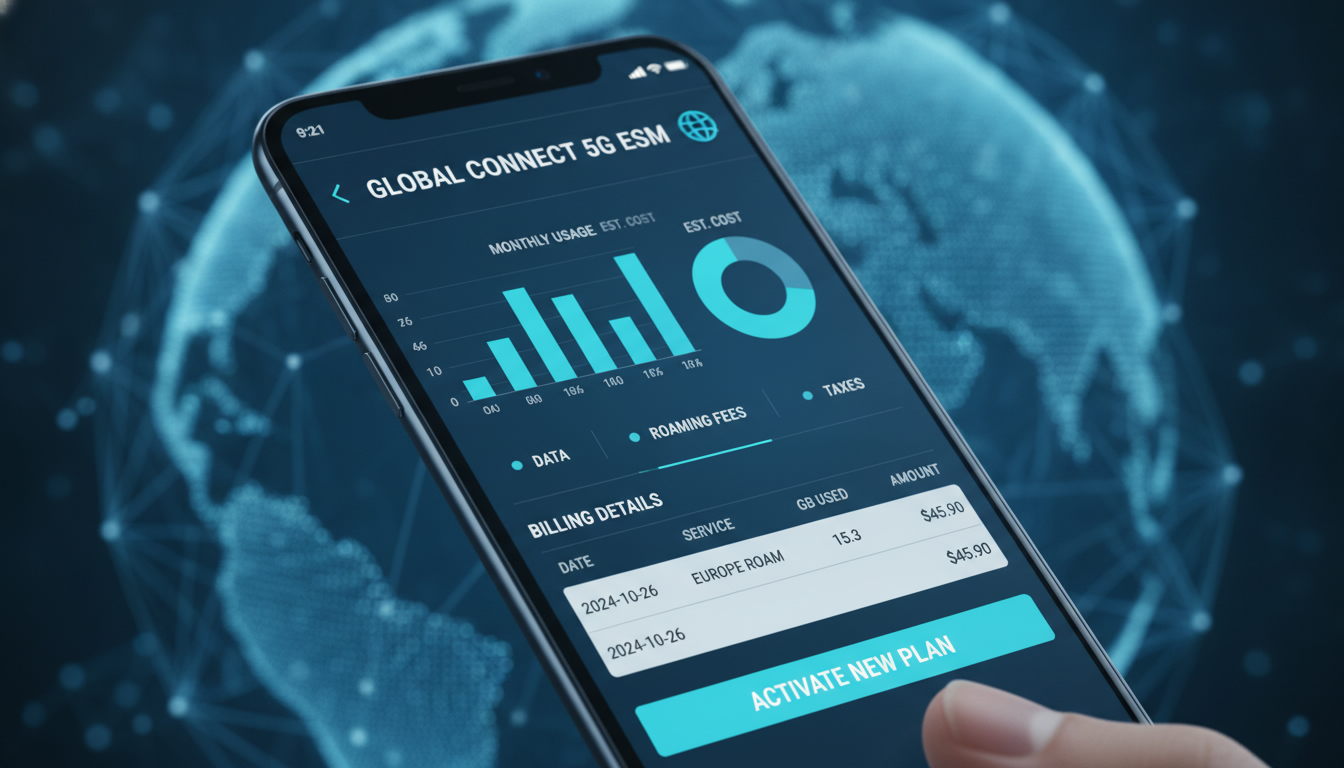
Understanding Roamifi 5G Costs: What You Pay and What You Don’t
When planning to use a Roamifi 5G device abroad, the key question is how the billing works and what charges you should expect. Roamifi offers 5G roaming internet through portable WiFi hotspots or eSIM data packages, but managing your budget requires clarity on what is included in your plan and what might trigger extra fees.
I always start by breaking down the cost components so travelers can avoid surprises and stay connected affordably.
Roamifi’s 5G service typically bills you for the data package you purchase, but additional costs can come from device rental, activation fees, or exceeding your data allowance. Unlike traditional roaming plans that often charge per megabyte or minute, Roamifi’s pricing is usually based on prepaid data bundles valid for a set number of days.
This means you pay upfront for a fixed amount of high-speed 5G data with no hidden per-use fees.
What Is Included in a Roamifi 5G Plan?
A Roamifi 5G plan generally includes:
- Data allowance: The core of your plan is the amount of data you can use at 5G speeds. This varies by package and destination.
- Access to the Roamifi 5G network: Roamifi partners with multiple local carriers worldwide to provide coverage in over 200 countries and regions.
- Device compatibility: Whether you use a Roamifi 5G hotspot router or an eSIM on your smartphone, the plan covers connectivity without needing a physical SIM card.
However, some costs are not always included:
- Device rental fees: If you rent a physical Roamifi 5G portable WiFi hotspot, daily or weekly rental charges apply on top of your data plan.
- Activation or service fees: Some plans may charge a one-time activation fee when setting up your account or device.
- Overage charges: Exceeding your purchased data limit can lead to additional fees or throttled speeds depending on the provider’s policy.
Typical Cost Structure for Roamifi 5G Data Packages
Roamifi’s pricing model focuses on prepaid data packages rather than pay-as-you-go billing. The cost depends on the volume of data and duration of validity.
For example, a one-day unlimited 5G plan will cost more per day than a monthly plan with limited gigabytes.
Because exact prices vary by country and provider partnerships, I recommend checking MyBestSim’s comparison tool for up-to-date rates and available plans. This way, you can select a package that fits your travel duration and expected data use without overspending.
How Device Rental Affects Your Budget
Using a Roamifi 5G hotspot device involves two main cost components: the rental fee for the hardware and the data plan fee. The rental fee is charged daily or weekly depending on your booking period.
Field Observation: Device Rental Trap
If you rent a Roamifi 5G router for longer than necessary, daily rental fees accumulate quickly. The mechanism is simple: each extra day adds to your total cost, which can surpass buying an eSIM data package directly.
The consequence is that travelers who don’t carefully plan their rental period often pay more than needed for connectivity.
To avoid this, I always advise travelers to estimate their trip length precisely and consider switching to an eSIM if their stay exceeds a week or if they want more flexible top-ups without hardware.
What Rental Fees Cover
Rental fees typically include:
- The physical device itself (a portable WiFi hotspot).
- Basic technical support during your rental period.
- Sometimes insurance against device loss or damage (check terms carefully).
They do not cover:
- Data usage beyond what you purchase separately.
- Shipping costs if the device is mailed to you.
- Late return penalties if applicable.
What Charges Are Excluded from Your Roamifi 5G Plan?
Understanding exclusions is crucial to avoid unexpected bills:
- Roaming outside covered countries: Although Roamifi covers over 200 regions, using the device outside these areas may result in no service or extra roaming charges from local networks.
- Exceeding data limits: Most plans throttle speeds after you hit your cap rather than charging extra, but some providers may bill overages at high rates.
- Additional services: VPNs, tethering beyond device limits, or premium support services are usually not included in base plans.
- Taxes and regulatory fees: Depending on your country of residence or travel destination, local taxes may apply separately from the advertised price.
Field Observation: Data Throttling vs Overage Fees
When using a prepaid Roamifi 5G data package, if you exceed your allowance late in the day or trip, many providers throttle speeds instead of charging extra. This mechanism protects users from runaway bills but can impact streaming or video calls.
Knowing this helps travelers decide whether to buy larger packages upfront or risk slower speeds later.
How to Manage Your Budget Effectively with Roamifi 5G
To keep costs under control while using a Roamifi 5G connection abroad:
- Choose the right plan size: Match your expected daily data consumption with available packages; buying too little leads to throttling or overage fees.
- Monitor usage actively: Use device apps or phone settings to track real-time consumption and avoid surprises.
- Consider eSIM over hardware rental: For trips longer than a few days, an eSIM avoids recurring rental fees and lets you top up easily via app.
- Check coverage before buying: The quality of the Roamifi 5G network depends on local carrier partnerships; poor coverage means wasted money on unused data.
Internal Link Example
For iPhone users considering an eSIM option instead of renting hardware, understanding how to activate it properly can save time and money — see my detailed guide on iPhone 13 Pro eSIM activation.
Comparing Roamifi 5G Plans With Other Providers
While I focus here on Roamifi’s cost structure, it’s worth noting that many travelers compare offers using MyBestSim’s comprehensive database. It lists providers like Yesim, LinkeSIM, Yatelo, and JamboSim offering competitive prepaid plans with discounts via promo codes such as MYBESTSIM20 for Yesim’s unlimited plans.
These alternatives often provide similar 5G coverage with transparent pricing models that include:
- Fixed-duration plans (1 day to 30 days).
- Data amounts ranging from small (3 GB) to unlimited.
- Prices starting under $1 for short-term small data packages.
This comparison helps travelers decide whether renting a Roamifi hotspot plus its data package fits their budget better than buying an eSIM directly from another provider.
What You Should Know About Activation and Hidden Fees
Activating a Roamifi 5G service usually involves scanning a QR code for eSIM installation or powering up the rented hotspot device. The activation process itself rarely incurs extra charges but watch out for:
- Setup fees: Some providers add small one-time setup fees when ordering physical devices.
- Shipping costs: If devices are shipped internationally before travel, delivery fees apply.
- Cancellation policies: Early returns might not refund full rental fees; check terms carefully.
Field Observation: Activation Timing Impact
Activating an eSIM too early before travel can cause unused days on prepaid plans to expire prematurely because validity often starts immediately upon activation. This mechanism means activating just before departure maximizes value; otherwise, you pay for days when you’re not using the service.
Final Advice on Budgeting Your Roamifi 5G Usage
The real cost control lies in understanding what each part of your connection costs: device rental (if any), prepaid data packages, activation fees, and potential extras like shipping or taxes. I’d advise against assuming all-inclusive pricing because hidden charges often appear in fine print.
For travelers who want flexibility without hardware hassle, switching to an eSIM-based Roamifi 5G plan is usually more budget-friendly over longer trips. However, short visits may justify renting a portable WiFi hotspot despite daily rental fees due to convenience.
If you want to explore trial options before committing fully, some providers offer free trials or low-cost starter packs — details about these can be found in my article about free eSIM trials for iPhone.
By carefully selecting your plan size and activation timing while monitoring usage closely during travel, you can enjoy fast 5G roaming without breaking your budget.
FAQ
What costs are included in a Roamifi 5G plan?
A Roamifi 5G plan includes a prepaid data allowance at 5G speeds, access to a global network covering over 200 countries, and compatibility with hotspot devices or eSIMs. However, device rental fees and activation charges are typically separate from the base data package.
How do device rental fees affect Roamifi 5G pricing?
Device rental fees are charged daily or weekly on top of your data plan when renting a Roamifi 5G hotspot. These fees can add up quickly, especially for longer trips, making eSIM data packages a more cost-effective option for extended stays.
Are there extra charges for exceeding my Roamifi data limit?
Most Roamifi plans throttle your speed after you reach your data limit instead of charging overage fees. However, some providers may impose additional charges or reduce speeds significantly, so monitoring usage is important to avoid surprises.
What should I know about activation and hidden fees with Roamifi?
Activation usually involves scanning a QR code or powering on a device and rarely has extra fees. Still, setup fees, shipping costs for devices, and cancellation penalties may apply depending on your provider’s terms.
How can I manage my budget effectively using Roamifi 5G?
To control costs, choose a data plan that matches your expected usage, monitor consumption regularly, consider eSIMs over device rentals for longer trips, and verify network coverage before purchasing to avoid wasted expenses.

Liam Chen
Liam is a travel and technology writer based in Southeast Asia who has tested eSIMs across the region. At Singapore eSIM he compares travel data plans on Singtel, StarHub and M1 and helps visitors stay online affordably from Changi to Sentosa.