How to Participate in a Radio Free Asia Auction in 2026
7/23/2026
In short, what you'll discover in this article:
Explore the details of the radio free asia auction, including what items are up for sale, how to participate, and why this event matters. Get insights into the auction schedule, bidding process, and the significance behind this unique opportunity.
1. Introduction — What Is the Radio Free Asia Auction and Why It Matters
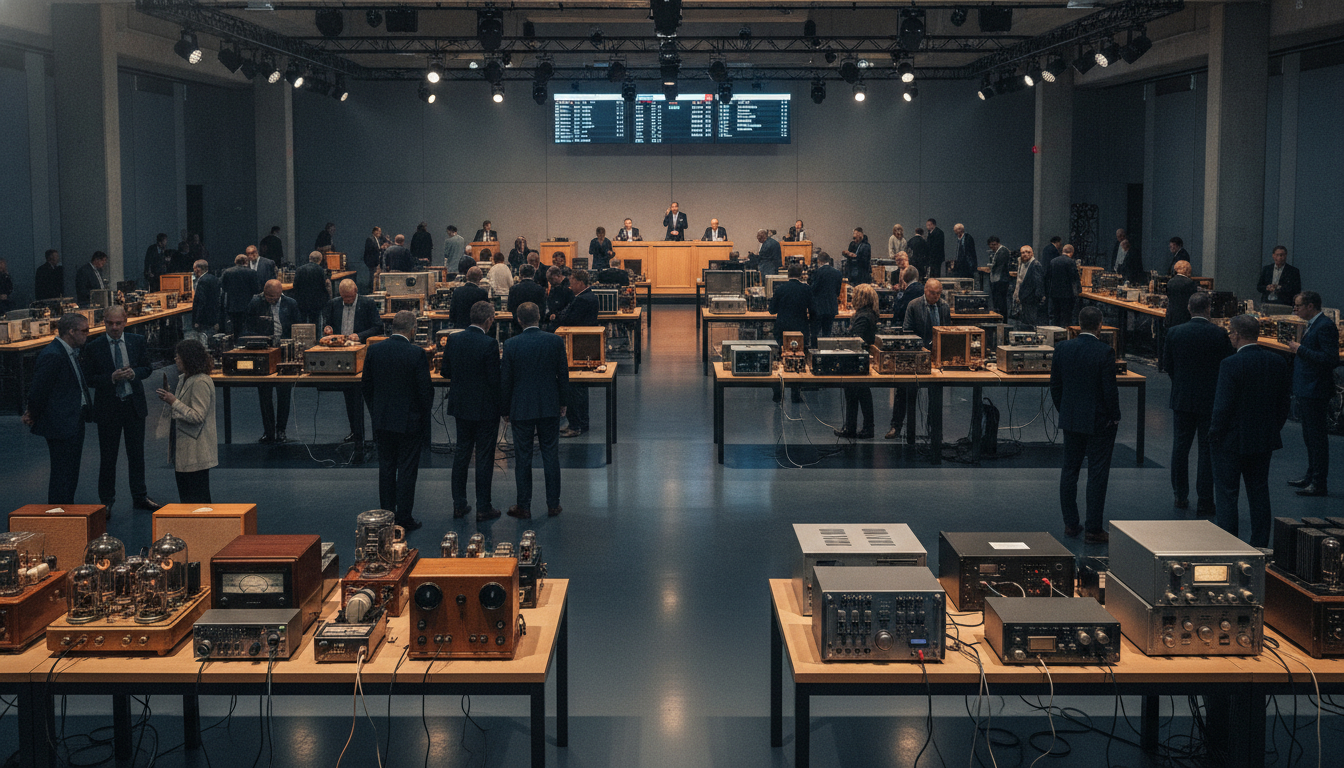
The radio free asia auction refers to an upcoming event where Radio Free Asia (RFA) is putting a variety of its assets and equipment up for sale. This auction includes broadcasting gear, archival materials, and other items connected to the station’s operations.
For enthusiasts and collectors, it offers a rare chance to acquire memorabilia or professional broadcast equipment once used by RFA.
This auction matters because it reflects changes within RFA’s operational landscape and provides transparency regarding government-funded assets. Whether you’re a hobbyist interested in media history or a professional seeking quality broadcast gear, understanding the auction’s scope and process is essential.
2. Historical Context and Mission of Radio Free Asia
2.1 Origins and Role in the Region
Radio Free Asia was established as a U.S.-funded news service aimed at providing uncensored news and information to Asian countries where free press is limited. It broadcasts in multiple Asian languages, focusing on human rights, democracy, and regional affairs.
Over decades, RFA has played a critical role in delivering independent journalism across challenging environments.
2.2 Why Assets Are Being Auctioned Now
The decision to auction RFA’s equipment stems from organizational restructuring and budget adjustments amid government shutdowns and funding debates. The auction allows RFA to liquidate surplus or outdated broadcast gear while maintaining operational efficiency.
Additionally, this event responds to public scrutiny over taxpayer-funded assets by offering transparency through public sales.
3. What Is Being Auctioned — Description of Lots
3.1 Technical Equipment (Transmitters, Consoles, etc.)
The auction features a broad range of professional broadcast equipment familiar to radio engineers:
- Transmitters and antennas used for signal distribution
- Audio consoles from brands like Mackie and PreSonus
- Digital audio processors and mixers
- Transmission encoders from companies such as Barix and Comrex
- Studio monitors and microphones
These items are generally well-maintained but vary in age and condition.
3.2 Audio Archives and Documents (Format, Condition, Accessibility)
In addition to physical gear, some audio archives and related documents are part of the sale. These include recorded broadcasts stored on various media formats such as tapes or digital files.
Access to these archives may be subject to legal restrictions or intellectual property rights, so potential buyers should inquire about usage terms before bidding.
4. How to Participate in the Auction
4.1 Schedule and Registration Steps
The Radio Free Asia auction schedule is publicly announced on platforms like Rasmus Auctions’ website. Interested participants must register online ahead of time by providing identification details and agreeing to auction terms.
4.2 Auction Modalities (Platforms, Live vs. Online Bidding)
The event combines both live in-person bidding at a Washington D.C. venue and online bidding options for remote participants.
Online bidders can place proxy bids or join live streams during the auction hours.
4.3 Payment, Pickup, and Shipping of Lots
Winning bidders must complete payment promptly via accepted methods such as wire transfer or credit card. After payment confirmation, arrangements for lot pickup or shipping are coordinated with the auction house.
Shipping costs vary depending on item size and destination.
5. Price Analysis and Value of Lots
5.1 Comparisons with Similar Sales
Prices at this auction tend to reflect market demand for used broadcast equipment combined with historical value associated with RFA’s legacy. Similar auctions have seen items sell for modest prices given their specialized nature but can spike if rare or collectible.
5.2 Factors Influencing Costs (Rarity, Condition, Historical Value)
Key factors affecting final bids include:
- Equipment rarity or brand prestige
- Operational condition or need for repairs
- Historical significance tied to RFA’s mission
- Completeness of archival materials
Buyers should evaluate these elements carefully when considering bids.
6. Legal Issues and Intellectual Property Rights
6.1 Rights on Audio/Visual Archives
Ownership rights for audio archives may be limited by copyright laws or agreements with content creators. Buyers should confirm whether purchased archives come with usage licenses or restrictions.
6.2 Possible Legal Restrictions by Country
International bidders should be aware that importing certain broadcast equipment or archival content may face customs regulations or export controls depending on their country’s laws.
7. Editorial and Ethical Impacts
7.1 Preservation of Media Heritage
Auctioning RFA assets raises questions about preserving media heritage versus liquidating resources. While it offers public access to historic materials, it also risks dispersing collections that could otherwise serve research or educational purposes.
7.2 Consequences for Public Access and Research
The sale may limit future public access if archives fall into private hands without open sharing policies. Researchers interested in Asia’s media history might find some resources harder to obtain post-auction.
8. Testimonials and Interviews (Optional but Recommended)
Industry experts and former RFA staff have expressed mixed feelings about the auction—some appreciate the transparency while others worry about losing centralized archives vital for historical documentation.
9. Resources and Useful Links (Documents, Archives, Contacts)
For detailed auction information including catalogues, registration forms, and schedules visit:
- Rasmus Auctions Radio Station Washington DC
- Radio World coverage of Radio Free Asia Auction
- Official Radio Free Asia site: Radio Free Asia
For geographic context related to Asia where RFA operates extensively, consult detailed maps such as Asia Continental Map, Asia Continent Map, or Simple Map of Asia.
10. Conclusion — Summary and Recommendations for Following the Event
The radio free asia auction presents a unique opportunity for collectors, broadcasters, and enthusiasts to acquire valuable equipment and historical materials from a prominent international news service. To participate effectively, prospective bidders should review the auction catalog carefully, register early, and understand legal considerations around purchased items.
Stay informed by monitoring official announcements through trusted sources like Rasmus Auctions or Radio World coverage to ensure you don’t miss key dates or updates about this notable event.
For those interested in staying connected while following such events globally, consider reliable eSIM data plans available in Singapore from providers ranked by MyBestSim—offering instant activation without roaming fees from Changi Airport to Marina Bay.
FAQ
What items are available in the Radio Free Asia auction?
The auction includes broadcasting equipment like transmitters, audio consoles, mixers, microphones, and some audio archives. These items vary in condition and age, offering both technical gear and historical materials connected to Radio Free Asia's operations.
How can I register to participate in the auction?
Interested bidders must register online through the auction house's website by providing identification and agreeing to terms. Registration is required before the auction date to enable participation either in person or online.
Is online bidding available for the Radio Free Asia auction?
Yes, the auction supports both live in-person bidding and online bidding. Remote participants can place proxy bids or join live streams to bid during the event hours.
Are there legal restrictions on buying audio archives at the auction?
Yes, ownership of audio archives may be limited by copyright laws or usage agreements. Buyers should verify any licensing or restrictions before bidding to ensure proper use of purchased materials.
What factors influence the prices of auctioned items?
Prices depend on equipment rarity, brand prestige, operational condition, and historical significance. Archival completeness and market demand also affect final bids, so buyers should assess these aspects carefully.

Liam Chen
Liam is a travel and technology writer based in Southeast Asia who has tested eSIMs across the region. At Singapore eSIM he compares travel data plans on Singtel, StarHub and M1 and helps visitors stay online affordably from Changi to Sentosa.